
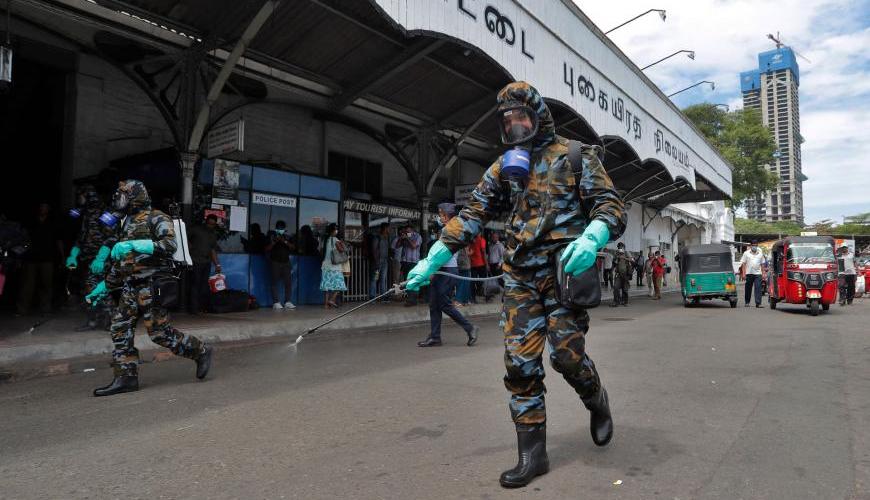
| Originally published 17/11/20 – Polis Analysis newsletter, “Daily Briefing“ On 22 October, the Sri Lankan Parliament passed an amendment to the constitution which now affords greater control to the President, Gotabaya Rajapaksa. The controversial 20th Amendment was passed with one hundred and fifty-six members votes in favour, and sixty-five votes against. Rajapaksa claimed that the amendment was necessary because parliamentary processes were stalling his decision making for the country. Rajapaksa now has the power to appoint and remove ministers, as well as considerable authority over once independent bodies which regulate the police, elections, human rights, and investigate corruption. The President decreased the period of time allowed before the dissolution of parliament: before the amendment, it was only permitted during the final six-month period of a term. It will now supposedly be possible halfway through. Rajapaksa also reversed legislation that disallowed Sri Lankans with dual citizenship from running for office, making it possible for his family members with US citizenship to join parliament. Since he won the election in November 2019, Rajapaksa has solidified his presidential power, dissolving parliament at the beginning of the pandemic before winning a landslide majority in another election in August. With the parliamentary numbers in his favour, Rajapaksa appointed his elder brother, former President Mahina Rajapaksa, as Prime Minister. Another Rajapaksa brother and three of the President’s nephews also hold seats in parliament. |
Why does this matter?
| The 20th Amendment counteracts the reforms brought in by the previous government to protect against autocratic rule in the country. From 1978, Sri Lanka was ruled under a powerful presidential system. In 2015, the reformist government stripped back presidential power in favour of greater parliamentary authority. Rajapaksa, however, claims that centralisation of power is necessary for governmental efficiency. Rajapaksa’s tenure as President has been characterised by accusations of corruption and human rights violations. At the start of the coronavirus pandemic in March, the Sri Lankan government announced that anyone criticising the Government would be arrested. Rajapaksa, a former army general, has increased the power of the military and launched harassment campaigns against political activists and dissenting journalists. The reportedly increasingly repressive measures are reminiscent of tactics employed by Rajapaksa’s brother during his Presidency between 2005 and 2015. At the height of ethnic tensions during the Civil War, Mahina Rajapaksa aligned himself with Sinhalese nationalists and took steps to decrease the sovereignty of the Tamil population. Independent investigations have found evidence to suggest that extrajudicial killings and massacres of Tamils and Sinhalese dissenters were orchestrated by the Rajapaksa brothers during the tenure of the elder brother. Under Gotabaya, Sri Lanka has withdrawn from a UN resolution to investigate alleged war crimes. Any hope during the brief interlude between the brothers that Sri Lanka was moving towards democracy and justice for the victims of the Civil War is now fading. |
What happens next?
| The Rajapaksa brothers’ populist, nationalist ideology appealed to voters in the wake of the 2019 Easter bombings perpetrated by Islamist terrorists. Since being elected to office last year, Gotabaya Rajapaksa has aligned himself closely with the fiercely nationalist Prime Minister of India, Narendra Modi. Both leaders have exploited religious and ethnic tensions to solidify public support, despite their disagreements over the rights of Tamil citizens in their respective countries. The Sri Lankan President has also begun to cooperate more closely with China in the last few months. China has been increasing its influence in South Asia with its Belt and Road Initiative, aimed at financing infrastructure in nearly seventy countries and organisations across the world. It seems that Rajapaksa has decided that an alliance between the two countries would be more beneficial than a struggle by Sri Lanka against the influence of Beijing. He rejected claims that Chinese investment in Sri Lankan public projects would create a “debt trap” which would pave the way for Chinese control of Sri Lankan domestic affairs. The effects of the 20th Amendment remain to be seen, but what is certain is that the Rajapaksa domination of Sri Lankan politics is far from over. The coronavirus pandemic may provide an opportunity for greater acquisition of power by the President in the coming months, particularly if he can repeat the success of the Government’s response to the first wave. |
 Eloise Barry